Dance Mom Leopard Embroidery Review
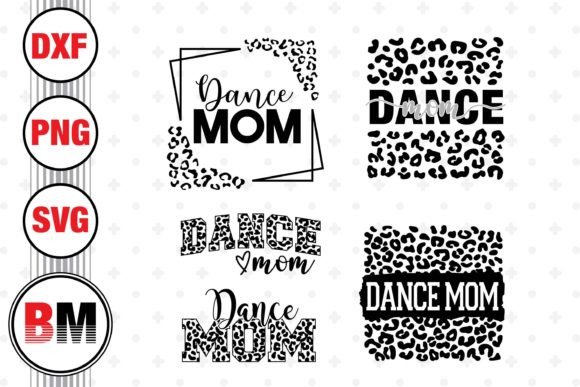
When I first opened the Dance Mom Leopard file to test its viability for a real-world embroidery project, my immediate thought was about context. As a designer who spends half my day troubleshooting stitch paths and the other half pitching concepts to boutique clients, I look for designs that balance visual punch with technical feasibility. This isn’t just another animal silhouette; it’s a character-driven piece that speaks directly to a specific subculture within the crafting community. The moment you see the layout, you know exactly where this belongs: on the back of a customized sweatshirt, the front pocket of a tote bag, or perhaps as the centerpiece of a matching set for a dance team.
The mood of the Dance Mom Leopard design is confident, playful, and slightly fierce. It captures the energy of the dance studio without being overly literal. For those of us in the craft business, understanding the emotional resonance of a design is just as important as the vector quality. This piece feels like it was made for the "dance mom" demographic—parents who are deeply invested in their children’s hobbies, willing to spend on personalized gear, and eager to display their support (and sense of humor) publicly. From a Graphics perspective, the lines are clean, suggesting that when digitized correctly, the output will be sharp and professional.
First Impressions and Visual Personality
The first thing that strikes me about Dance Mom Leopard is its versatility. It avoids the trap of being too busy, which is a common pitfall in many machine embroidery design files. Instead, it relies on strong shapes and clear negative space. This makes it incredibly forgiving during the stitching process. When I reviewed the file structure, I appreciated that it didn’t rely on excessive tiny details that often fray or get lost in the fabric texture. The visual personality is bold but approachable. It doesn’t scream for attention; it invites it.
In terms of aesthetic appeal, the leopard theme allows for creative freedom with thread colors. While the digital preview might show a standard palette, the beauty of an embroidery file like this lies in its adaptability. You could use traditional gold and black threads for a classic look, or switch to neon pinks and purples to match a specific team’s colors. This flexibility is crucial for Etsy sellers and small shop owners who need to offer customization options without creating entirely new designs from scratch. The design assets provided are clean, meaning less cleanup time in your digitizing software and more time focused on production.
Real-World Application: The Custom Tote Scenario
To truly evaluate how Dance Mom Leopard performs, let’s imagine a practical scenario. A client comes to you requesting a custom embroidered tote bag for her daughter’s dance recital. She wants something durable, stylish, and clearly related to the sport. You decide to place the Dance Mom Leopard design on the front center of a heavy-duty canvas tote.
Here is where the design shines. Because the motif has a solid, contained shape, it translates beautifully onto fabric. The satin stitch outlines would provide a crisp border, while any fill stitch areas would lay down smoothly if the density is appropriate. Unlike intricate floral patterns that can look muddy on textured canvas, this geometric-friendly animal print maintains its integrity. The customer picks up the bag and sees a high-quality handmade product. They don’t see puckered fabric or loose threads. They see professionalism. This level of clarity builds trust and encourages repeat purchases, whether you are selling at a craft fair or listing on Etsy.
Furthermore, this design works exceptionally well for personalized gifts. Imagine adding the dancer’s name above the leopard. The combination of text and graphic creates a balanced composition that looks intentional and expensive. It elev a simple tote into a keepsake item. For apparel decorators, placing this on the back of a hoodie creates a statement piece that is both functional and fashionable. The design’s scale is ideal for standard hoop sizes, making it efficient to produce in batches for holiday sales or end-of-season tournaments.
Technical Considerations and Stitch Clarity
While the visual potential is high, any experienced reviewer must address the technical realities of stitching. The performance of Dance Mom Leopard depends heavily on execution. First, consider the stitch density. If the fill areas are too dense, you risk needle breaks or fabric distortion, especially on lighter materials. Conversely, if they are too sparse, the underlying fabric may show through, ruining the clean look. Before committing to a full run, always test the design on scrap fabric that matches your final product’s weight and stretch.
Another critical factor is the choice of thread colors. High contrast is key for legibility. On dark fabrics, light threads pop, but on light fabrics, you need darker threads to define the leopard spots and contours. I recommend testing the design in a black-and-white mockup first. This removes color bias and helps you evaluate the shape’s readability. If the design looks cluttered in grayscale, it will likely look cluttered in color. Additionally, inspect the smaller details. Are there any isolated pixels or tiny elements that might not register well? If so, you may need to adjust the stitch type, perhaps switching a delicate detail from a running stitch to a tighter satin variant.
The type of stabilizer used also plays a significant role. For a tote bag design on canvas, a cut-away stabilizer is usually necessary to prevent shifting during long runs. For a baby embroidery project on a onesie, a tear-away might suffice, but only if the design isn’t too large. Always confirm the recommended hoop size and ensure your machine can handle the dimensions without frequent re-hooping, which can misalign multi-color designs.
Where to Use Carefully
There are certain applications where Dance Mom Leopard requires extra caution. Avoid using this design on highly textured fabrics like chunky knits or bouclé, as the stitches may not anchor properly, leading to a messy finish. Similarly, on very thin or stretchy fabrics, such as lightweight jersey or silk, the tension required for a bold design like this can cause puckering. If you must use it on these materials, a heavy-duty water-soluble stabilizer underneath is non-negotiable.
Be mindful of curved surfaces like caps or hats. While the design might fit the flat front panel, ensure that the curvature doesn’t distort the leopard’s features. Also, avoid placing dense stitch areas near seams or edges where stress is concentrated, as this can lead to tearing over time, especially for items that need frequent washing like custom apparel.
Impact on Product Value and Brand Consistency
Using a well-executed design like Dance Mom Leopard directly impacts your brand’s perceived value. Customers can often tell the difference between a rushed, low-quality stitch job and one that shows care and precision. A clean, professional finish suggests that you pay attention to detail, which extends to your customer service and packaging. For commercial embroidery projects, this reliability is paramount. You want finished products that withstand wear and washing without losing their charm.
From a marketing standpoint, this design is highly recognizable. It taps into a popular cultural touchstone, making it easier to sell because the audience already understands the reference. This reduces the cognitive load for buyers—they instantly "get" the joke or the sentiment. For small shop products, this recognition drives engagement. People share photos of their personalized items on social media, providing free advertising for your brand. The Dance Mom Leopard is photogenic, which is a huge advantage in today’s visual-first marketplace.
Final Thoughts for Designers and Makers
Before incorporating Dance Mom Leopard into your inventory, take the time to review the included files. Ensure you have the correct formats for your software, whether that’s Cricut Design Space, Silhouette Studio, or your dedicated embroidery digitizing program. Check the licensing terms carefully. If you plan to sell finished items, verify that the commercial rights allow for physical sales. Some digital embroidery files restrict resale, while others do not. Clarifying this upfront protects your craft business from legal issues.
Ultimately, Dance Mom Leopard is a strong candidate for anyone looking to expand their offerings in the Crafts category. It offers a blend of humor, style, and technical simplicity that appeals to a broad audience. By testing thoroughly, choosing the right materials, and paying attention to stitch quality, you can turn this design into a best-selling embroidery project. It’s not just a leopard; it’s a versatile tool for building a profitable, creative enterprise. Whether you are a seasoned pro or a hobbyist maker, this design deserves a spot in your rotation. Just remember: the magic happens in the stitching, not just the screen. Treat it with respect, and it will reward you with happy customers and beautiful finished products.